
Will I Have Scars After Lower Blepharoplasty (Eyelid Surgery)?
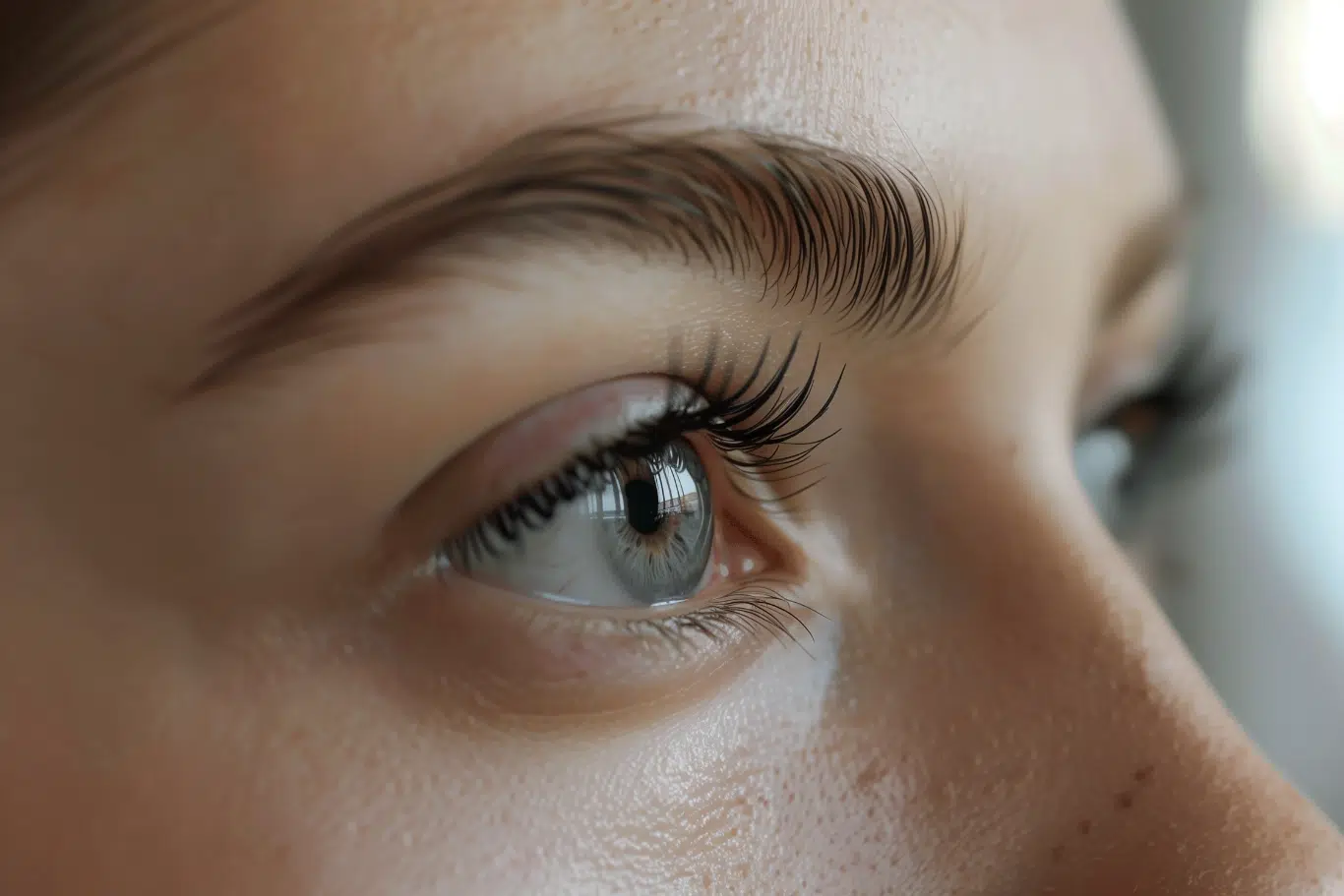
The short answer is yes: all surgical procedures create some degree of scarring. However, lower blepharoplasty is specifically designed to place incisions in discreet locations where they are very difficult to notice once healing is complete after eyelid surgery. Dr. Chegar, Indianapolis Facial Plastic Surgeon, shares his expert insights below.
Eyelid Surgery Planning
Every blepharoplasty (eyelid surgery) begins with a personalized consultation to evaluate your eyelid anatomy, discuss your aesthetic goals, and determine the most appropriate surgical approach. During your consultation, I will carefully assess factors such as excess skin, under-eye bags, skin quality, muscle tone, fat distribution, and lower eyelid support to create a treatment plan tailored specifically to your needs.
I will also review your medical history, medications, smoking status, and any history of abnormal scarring or delayed wound healing, as these factors can influence both your recovery and the appearance of your scars. By customizing the surgical plan to your unique anatomy and following meticulous surgical techniques, the goal is to create smoother, more youthful eyelids with scars that become increasingly difficult to see as they mature over time.
What is the Location of the Scars?
The location of your lower blepharoplasty incision depends on what needs correcting. For patients whose primary concern is bulging under-eye fat without excess skin, I may perform a transconjunctival lower blepharoplasty. With this technique, the incision is made inside the lower eyelid, allowing access to reposition or remove excess fat while leaving no externally visible scar.
When redundant skin tissue also needs to be addressed, a transcutaneous approach may be recommended. In this procedure, the incision is placed just below the lower lash line, where it blends naturally with the eyelid’s anatomy after healing. Through this strategy, I can remove or reposition fat, tighten sagging tissues, and eliminate extra skin to create a smoother, more refreshed appearance.
During your blepharoplasty consultation, I’ll explain which technique is best suited to your anatomy and the results you hope to achieve.
Are There Non-Surgical Alternatives to Eyelid Surgery?
Not every concern around the eyes requires blepharoplasty surgery. Fine wrinkles, sun damage, and changes in skin texture often respond well to non-surgical resurfacing treatments, such as chemical peels or advanced laser procedures. Meanwhile, Botox® can soften crow’s feet, and dermal fillers improve hollowing beneath the eyes by restoring lost volume. These treatments can produce meaningful rejuvenation without incisions for the right candidates.
But non-surgical treatments have their limits. They cannot remove excess eyelid skin or reposition the fat responsible for prominent under-eye bags. When these structural changes are the primary cause of a tired appearance, lower blepharoplasty is often the most effective solution.
In many cases, the best results actually come from combining approaches. Eyelid surgery can address unnecessary skin and puffiness, while treatments like Botox®, dermal fillers, laser resurfacing, or chemical peels refine the surrounding skin and soften additional signs of aging. During your consultation, I will recommend the combination of procedures that is right for you.
What About the Scars From Upper Blepharoplasty?
Upper blepharoplasty also results in a scar, but it is carefully concealed within the natural crease of the upper eyelid. Once healing is complete, the incision typically blends into the eyelid’s normal fold, making it difficult to detect during everyday interactions.
This approach allows me to reduce excess skin, fat, and sagging tissue that contribute to hooded eyelids while preserving the natural contours of the eyes. The result is a brighter, more rested appearance without drawing attention to the incision itself.
Why Indianapolis and Carmel Patients Appreciate the Discreet Approach
If you’re considering lower eyelid surgery but have concerns about scarring, an individualized consultation is the best place to begin. Chegar Facial Plastic Surgery takes great care to select the surgical technique that best fits each patient’s overall appearance while placing incisions as discreetly as possible.
Contact Chegar Facial Plastic Surgery in Carmel, IN, today to schedule your consultation and learn how blepharoplasty can help you achieve a refreshed, naturally youthful look.
About the Author
Dr. Burke E. Chegar is a double board-certified facial plastic and reconstructive surgeon specializing exclusively in cosmetic and reconstructive procedures of the face, head, and neck. Serving patients throughout Indianapolis and Carmel, Indiana, he has advanced fellowship training in facial plastic surgery from Emory University School of Medicine and is recognized for his expertise in facial rejuvenation procedures, including blepharoplasty (eyelid surgery), facelift, brow lift, rhinoplasty, and minimally invasive facial treatments. Dr. Chegar is committed to delivering natural-looking results through meticulous surgical technique, personalized treatment planning, and open communication with every patient. He has authored numerous peer-reviewed publications, presented nationally on facial plastic surgery, and has been recognized with multiple awards for surgical excellence